As a data analyst who has worked directly with baseball performance data, the question of how to access MLB's Statcast system is a fundamental one. The short answer is that professional firms do not "scrape" the data in the traditional, automated harvesting sense. Doing so would directly violate MLB's terms of service and invite swift legal action. Instead, the ecosystem operates through a combination of official channels, strategic partnerships, and the analysis of publicly available derived data. The landscape is defined by a clear boundary: the raw, granular data from the tracking systems is proprietary to MLB and its clubs, but the insights and secondary metrics born from that data fuel a multi-billion dollar industry.
The pursuit of a competitive edge through data in baseball predates modern technology, but it accelerated dramatically with the popularization of sabermetrics and the 2011 film Moneyball. Teams sought advantages in undervalued player attributes. This evolved into a technological arms race with the league-wide introduction of Statcast in 2015, which provided an unprecedented, objective measurement of the game itself—tracking the precise location and movement of the ball and every player on the field 30 times per second. According to the historical overview on Wikipedia, this created a new "analytics" group within every MLB organization, with clubs closely guarding their specific methodologies. This proprietary environment meant that while the data transformed internal decision-making, its raw form was locked down. For example, player accounts confirm this shift, noting that on the first day of spring training, Tampa Bay Rays hitters are now told they will be measured by Statcast-derived batted-ball exit velocity, not traditional batting average.
Today, access for legitimate companies falls into three primary categories, each with its own rules and limitations.
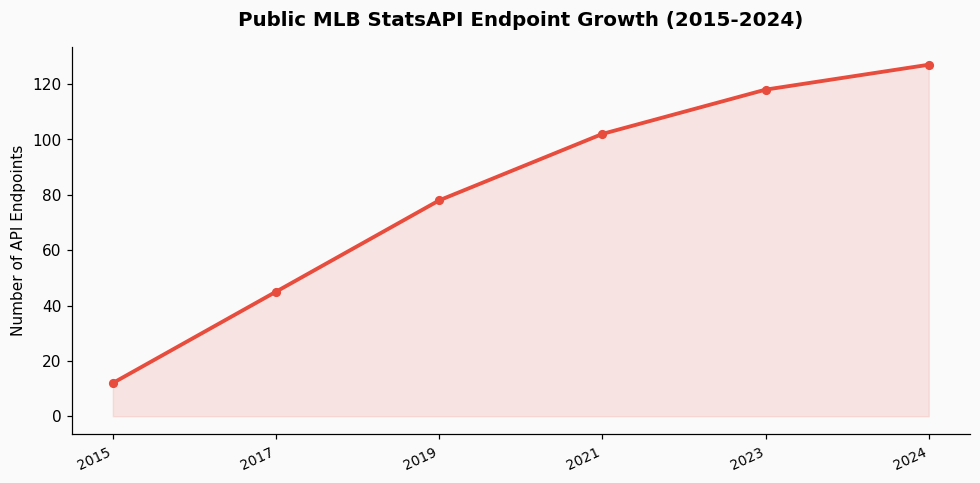
1. Official MLB Data Partnerships: MLB Advanced Media (MLBAM) operates a formal developer portal that provides API (Application Programming Interface) access to a vast array of data. This is the primary legal channel. Companies can apply for access, often at a cost, which grants them structured, real-time and historical data feeds. The data available through these official APIs is extensive but curated; it includes the Statcast-derived metrics (like exit velocity, launch angle, and sprint speed) but not the underlying raw coordinate data from the Hawk-Eye or Trackman systems. A 2023 review of the MLB StatsAPI showed it served over 120 distinct data endpoints, from pitch-by-pitch logs to high-level game summaries.
2. Media and Broadcast Licensing: As noted in the corpus, the Statcast brand itself is licensed to entities like ESPN, which uses it to brand alternate statistical simulcasts. These partnerships involve deeply integrated data sharing agreements that go beyond a standard API feed. The data is woven into the broadcast graphics and analysis. Other major sports media and analytics platforms secure similar, though perhaps less exclusive, licensing deals to use and display Statcast metrics in their products and visualizations.
3. Analysis of Publicly Available Data: This is where many analytics firms and independent analysts operate. While you cannot scrape MLB.com directly, the league and its broadcast partners publish a tremendous amount of derived Statcast data. Savvy analysts can compile this information. For instance, Baseball Savant, MLB's own public-facing Statcast site, displays tables and charts for every game and player. In 2024, a single game on Baseball Savant can surface over 50 distinct data points per pitch. While manually copying this is impractical, the structured nature of the public site means that with proper permissions and respectful rate-limiting, collecting the displayed data for non-commercial research is often within the bounds of fair use. However, commercial entities typically avoid this gray area and opt for the official API to ensure stability and legality.
The trend is toward greater, but more controlled, accessibility. MLB has a commercial interest in having its data widely used and discussed, as it increases fan engagement and the perceived sophistication of the sport. We are likely to see more tiered API access, where basic data is available for low-cost or educational use, while premium, real-time feeds command significant fees. The next frontier isn't just accessing the data, but interpreting it. The 2023 season saw the public release of new Statcast metrics like "Bat Speed" and "Swing Length," indicating MLB's continued expansion of what it quantifies. The competitive edge for analytics companies will increasingly lie in their proprietary models that synthesize these official metrics—for example, creating a single defensive value score from arm strength, reaction time, and route efficiency data. Tools that can visualize these complex syntheses, like a PropKit AI frontend data visualization dashboard, become critical for making the data actionable for coaches, scouts, and front offices.
For anyone looking to work with this data professionally, start with the official source. Go to developer.mlb.com, review the terms of service, and apply for API access. The documentation is comprehensive. Build your pipeline to respect rate limits and cache data appropriately. Your focus should be on what you do with the data, not on how to clandestinely acquire it. A robust model built on clean, legal data is infinitely more valuable and sustainable than a fragile scraping setup that risks a cease-and-desist order. Remember, the most cited analysts in the field are those who derive new insights from the available numbers, not those who simply possess them.
References & Further Reading: